

LIFE JACKET SERVICE
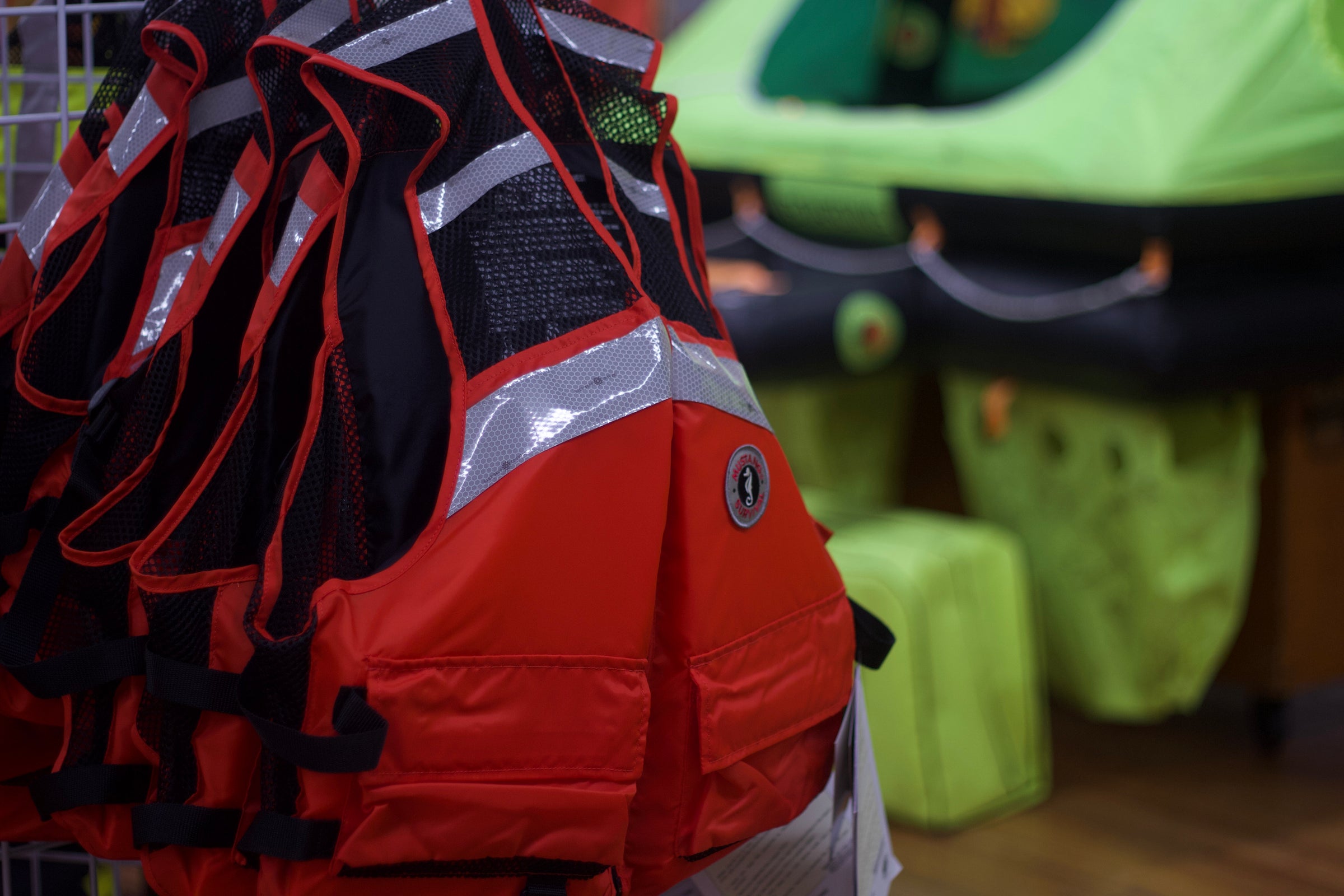
Prolonged exposure to UV rays, saltwater, and moisture can degrade life jacket materials over time. The technicians at LRSE are highly trained with repairs, inspections and preventative maintenance of both foam and inflatable life jackets. Schedule your next life jacket service with LRSE.
Safety Checklist
- Check bobbins
- Check hydrostatic mechanism
- Check capsules
- Check pills
- Test AIS units and check battery dates
- Check that lights are in date
- Change batteries in lights (N/A if they do not have replaceable batteries)
FAQs
Yes. Inflatable life jackets contain components that can deteriorate over time, including inflator systems, bobbins, lights, and CO₂ cylinders. Regular inspections and servicing help ensure the life jacket remains reliable and compliant with safety requirements.
Inflatable life jackets should be inspected regularly and professionally serviced according to manufacturer recommendations and USCG requirements. Many commercial inflatable life jackets require servicing at least once every 12 months.
A professional life jacket inspection includes checks of fabric, straps, inflation systems, CO₂ cylinders, firing mechanisms, oral tubes, and bladders, along with replacement of worn or expired components.
The lifespan of an inflatable life jacket depends on usage, storage conditions, UV exposure, moisture, and maintenance. With regular inspections and proper servicing, inflatable life jackets can remain functional for many years.
A CO₂ cylinder should be replaced if it has been deployed, shows signs of corrosion or damage, or no longer meets inspection requirements. The inflator mechanism and related components should also be checked during service.
Basic visual inspections can be performed by the owner, but professional servicing is recommended to properly test inflation systems, inspect internal components, and verify compliance with manufacturer and USCG standards.
An inflatable life jacket may fail inspection due to damaged fabric, leaks, corrosion, expired inflator components, missing or damaged CO₂ cylinders, failed inflation tests, or expired lights and safety accessories.
For commercial vessels and many regulated applications, inflatable life jackets must comply with USCG requirements and manufacturer servicing schedules to remain approved for use.